




 Português
 English
From "mass entrepreneurship and innovation" to "new quality productivity," the concept of technological innovation has been constantly evolving, but the country's determination to build a "manufacturing powerhouse" and a "science and technology powerhouse" has never wavered.
According to data from the National Bureau of Statistics, by the end of 2023, there were 53,000 high-tech manufacturing enterprises above designated size nationwide, with annual revenue totaling 22.46 trillion yuan—up 57.4% and 43.1%, respectively, compared to five years earlier. Last year, these enterprises invested more than 2 trillion yuan in R&D, an increase of 8.3% over the previous year.
By accelerating the pace of technological innovation, some high-tech startups have achieved breakthroughs from zero to one, carving out a niche in fiercely competitive markets. Others have seized opportunities for explosive growth, selling their products around the world. However, many high-tech companies have also encountered "growing pains" during their expansion.
Invisible Costs
"Growing pains" are often hard to quantify and difficult to reflect in financial statements, yet they can significantly drag down a company's operational efficiency. For example, delayed communication, poor information flow, and poorly designed processes can easily lead to organizational bloat, wasted resources, and flawed decision-making.
Departments such as human resources, sales management, quality and operations, and finance don't see immediate efficiency gains from upgrading machinery like manufacturing does—this is what's known as "Baumol's disease" (proposed by American economist William Baumol in 1967).
"In fact, as companies grow in size, processes and organizations often become increasingly complex, with more and more people responsible for coordination and alignment. This ultimately drives up operating costs, slows market responsiveness, and gradually erodes competitiveness."
In an era of rapid economic growth, many companies tend to ignore these hidden costs, hoping that growth will mask inefficiencies. But as competition in many industries shifts from a growth-based race to a battle over existing market share, this "elephant in the room" can no longer be ignored. An increasing number of tech-driven companies are now being forced to confront and address "Baumol's disease."
Before the mobile internet era, the technologies available to businesses were relatively limited, typically consisting of vertical-domain applications such as OA, CRM, and MES systems. However, with the emergence and maturation of new technologies like 5G, cloud computing, and AI, the entire manufacturing sector has entered a digital and intelligent era, and more and more companies are turning to digital transformation for solutions.
China is home to 133 Fortune Global 500 companies, 52 million small and micro enterprises, and a total of 14,600 specialized, refined, distinctive, and innovative "Little Giant" firms. These companies span different industries, vary in size, and face a wide range of pain points in their digital transformation journeys.
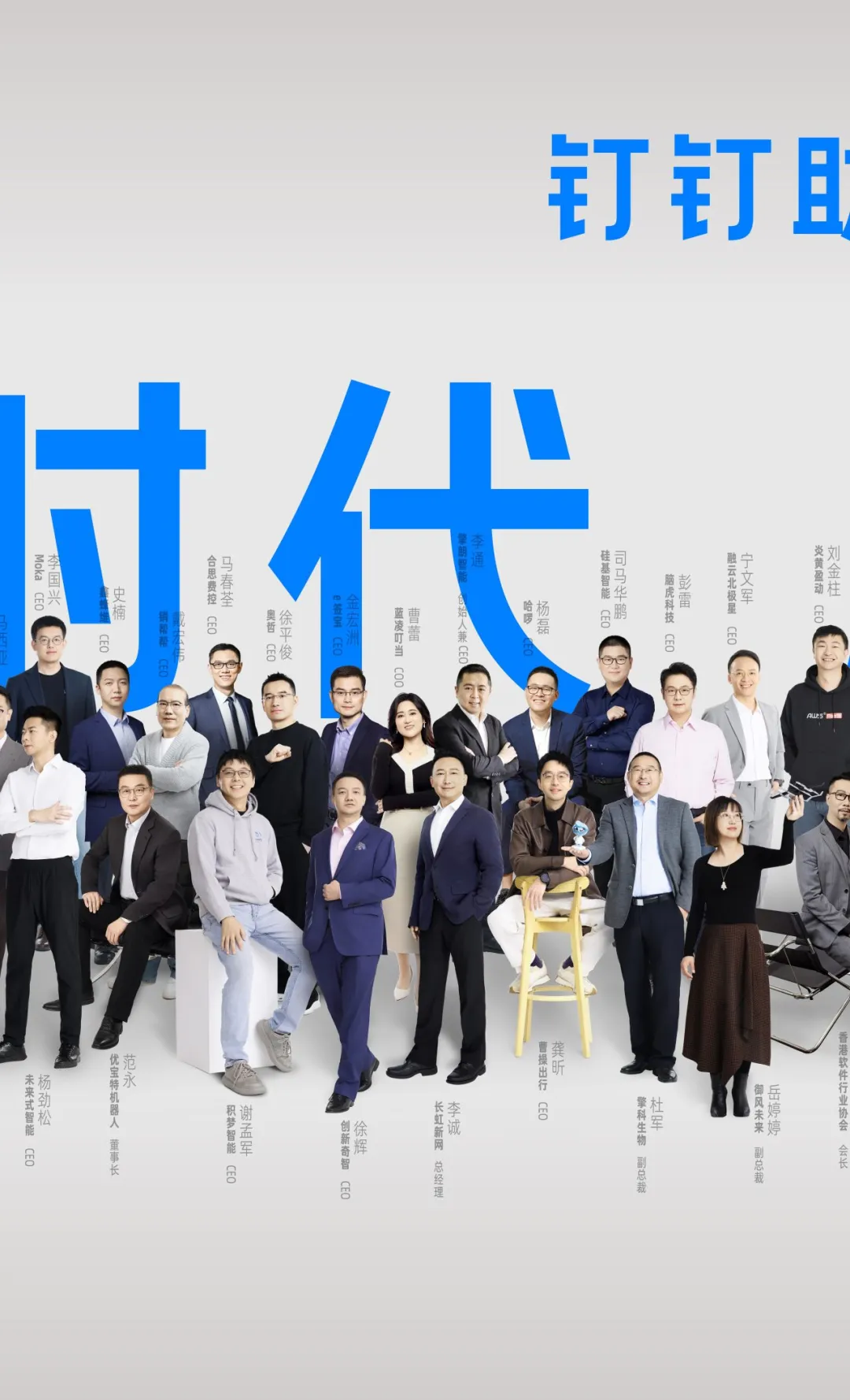
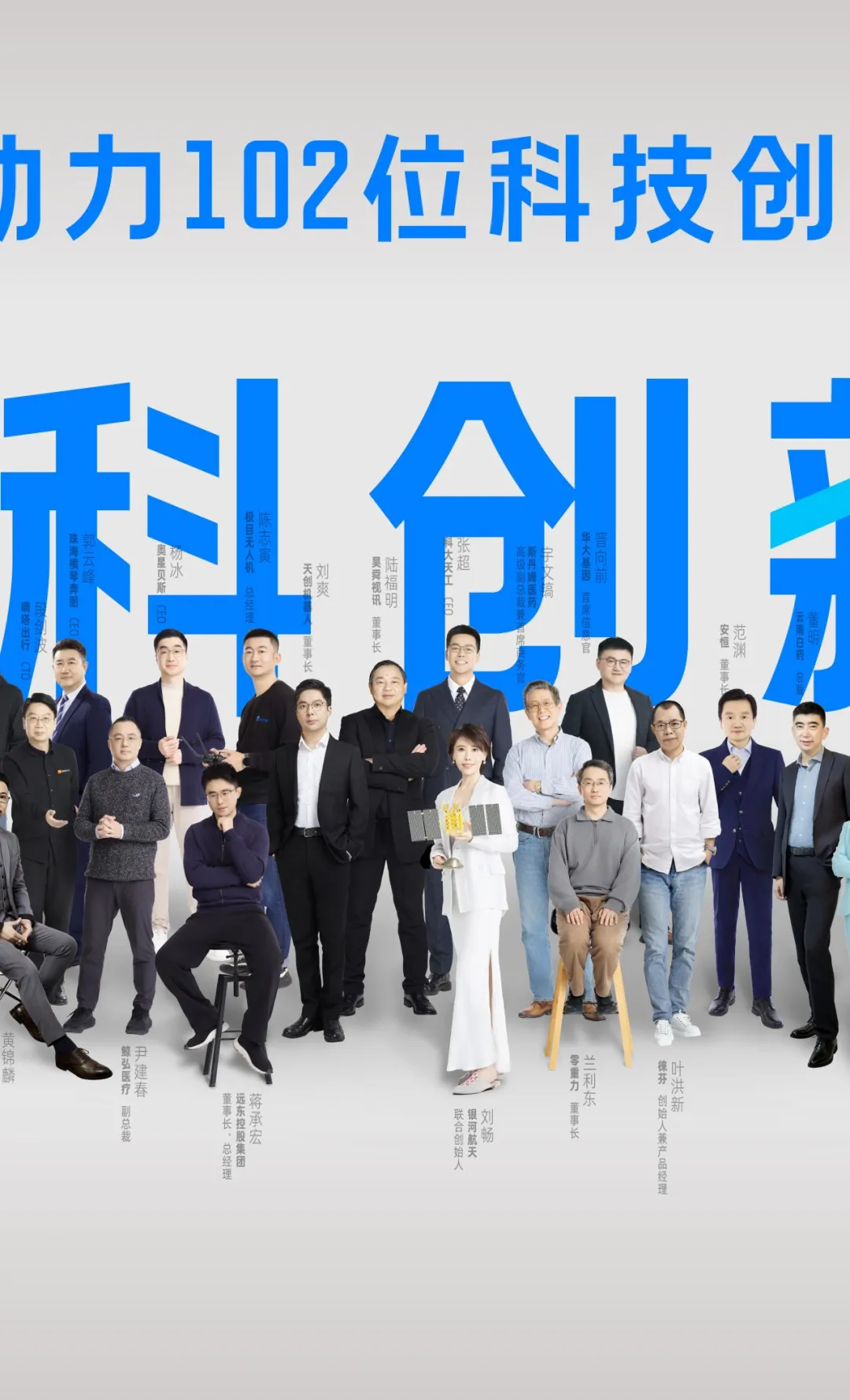
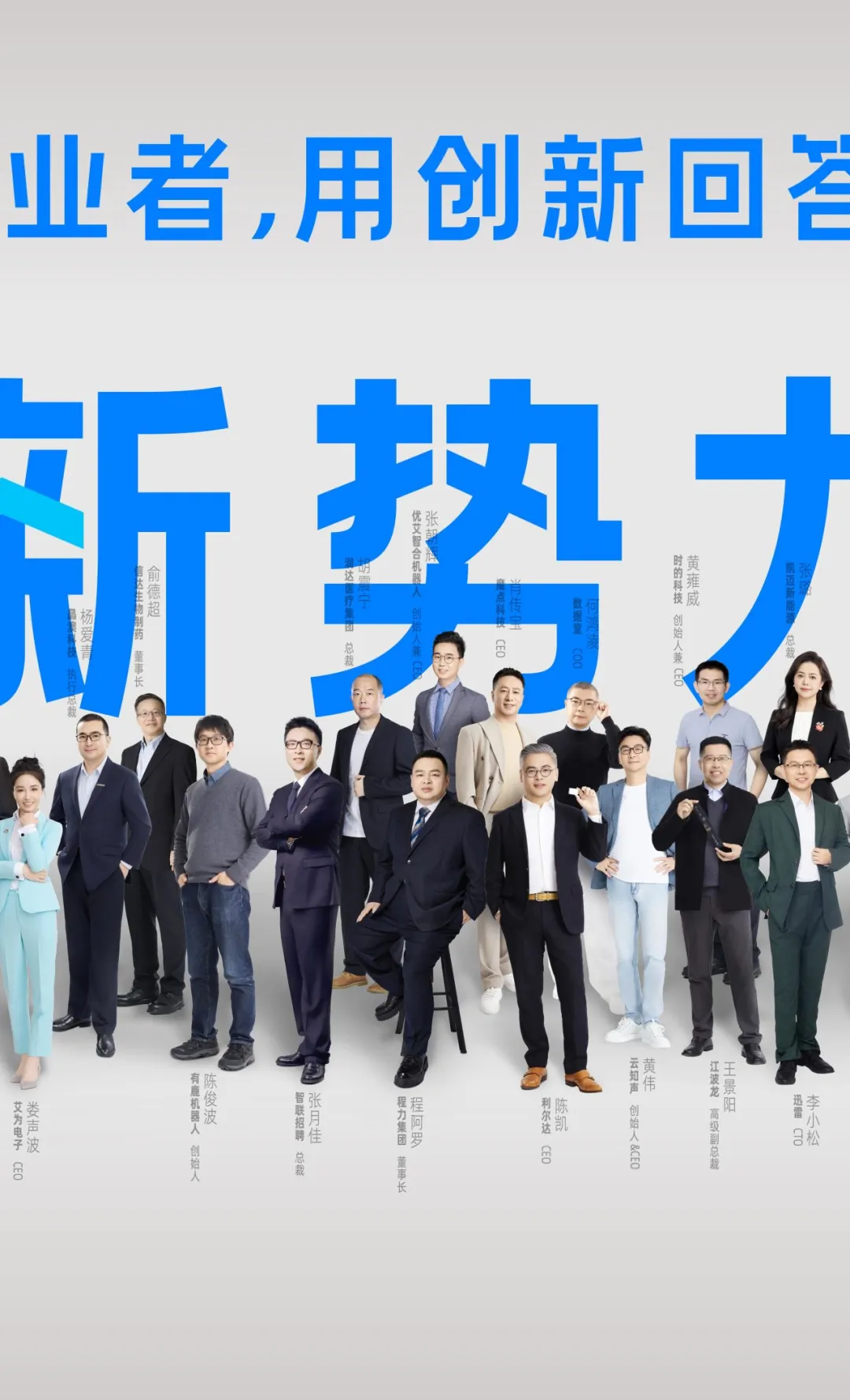
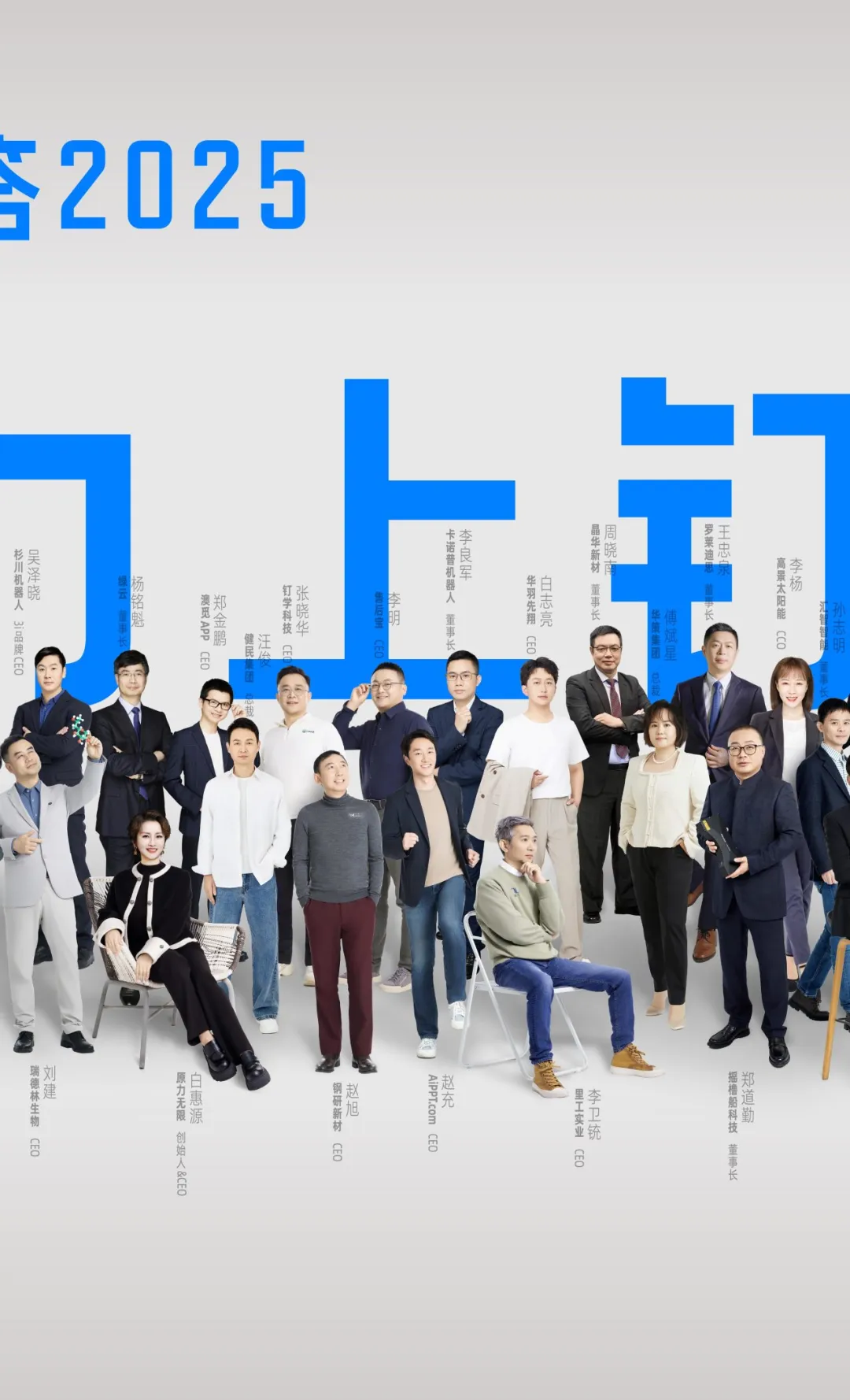
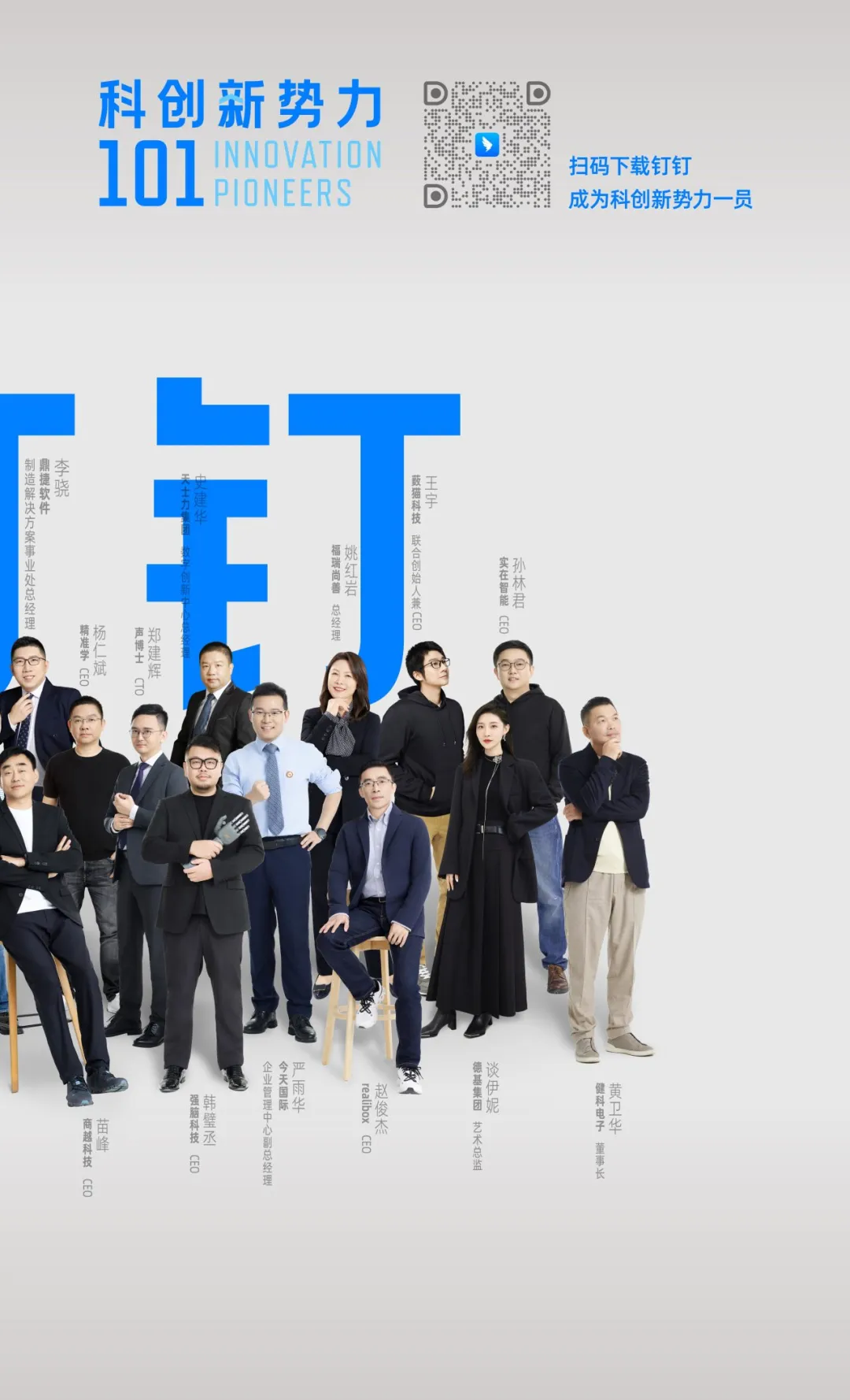
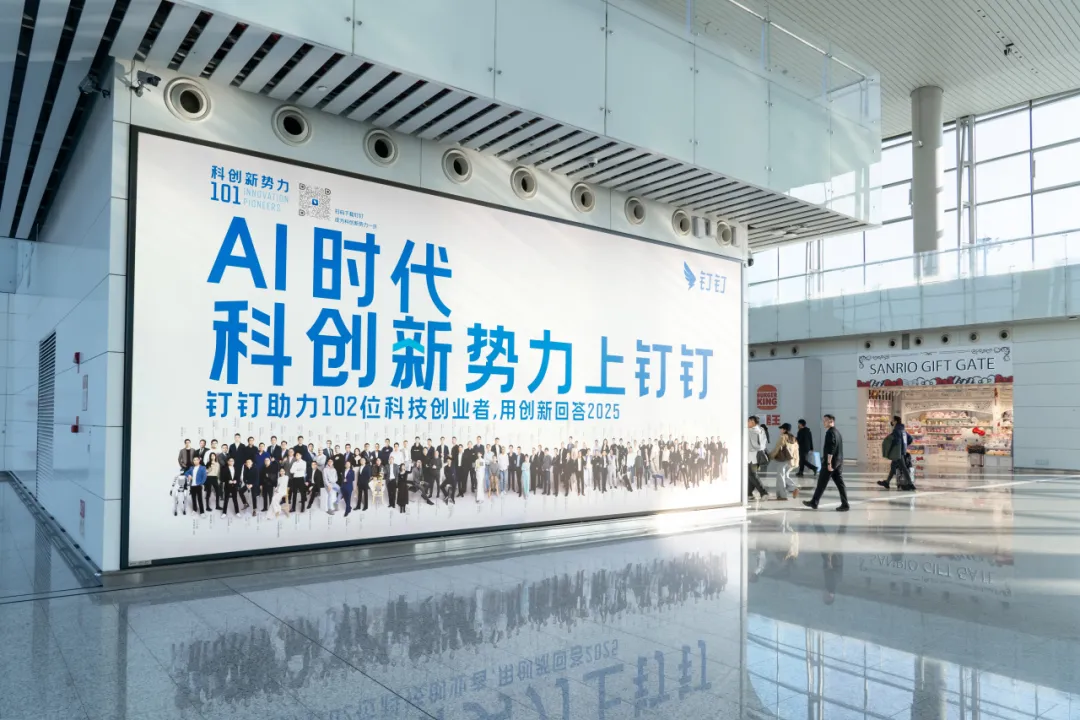
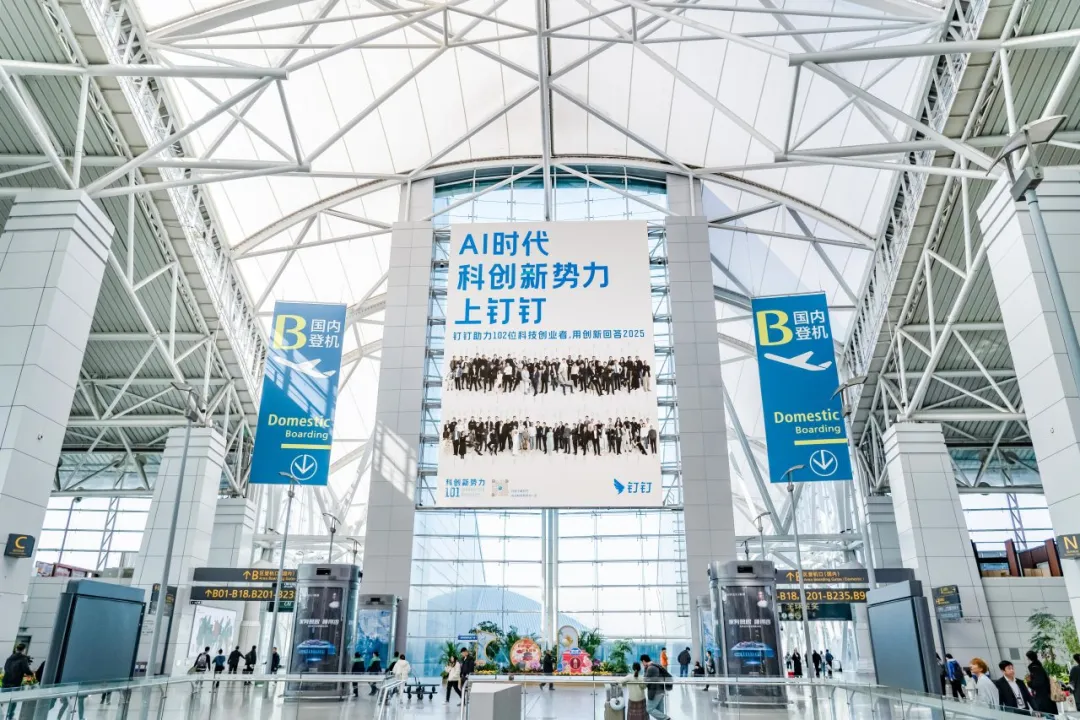
The choice of digital tools has become a critical issue for science and technology innovation enterprises. Take DingTalk, for example: 80% of China's Fortune Global 500 companies and 70% of its specialized, refined, distinctive, and innovative "Little Giants" are DingTalk customers. Recently, DingTalk brought together 102 emerging science and technology forces for a collective showcase, underscoring the growing importance that these companies place on digital transformation.
For emerging science and technology forces that brand themselves as high-tech, driving digital transformation is not just about maintaining the company's "face" but also about ensuring its underlying efficiency—and the impact extends far beyond the present, shaping the future as well.
Visible Results
Because digital transformation affects every part of a company, it should be a "top-priority project" at any organization. However, this doesn't mean that companies need to handle everything in-house or develop every software component from scratch. In this regard, Suguan—a company originally focused on robot vacuum cleaners—has taken a few detours.
Chen Jun, head of Suguan's IT department, admits that the company once hoped to improve its level of informatization and drive digital transformation through in-house development. But after a period of time, they found that the cost-effectiveness was low. A production management system like MES was not set up in a timely manner, and some core data still resided in documents such as Word and Excel, leaving the data underutilized.
As a result, the company decided to purchase mature software solutions from external vendors. However, after using multiple software platforms simultaneously, they found that while communication efficiency had improved, information security had become a concern.
As an emerging science and technology force with more than 1,000 technology patents, Suguan places extremely high demands on IP protection and information security.
For Suguan, improving communication efficiency and ensuring information security are not a "choose one" dilemma but a "both-and" imperative. After extensive research and comparison, Chen Jun ultimately chose DingTalk for the company—but information security wasn't the only factor that influenced his decision.
"Whether it's scheduling online meetings or projecting presentations in offline settings, DingTalk offers a seamless experience without any fragmentation. If we need to purchase certain software features later, we can add them on demand like building blocks, and the overall cost-effectiveness is higher."
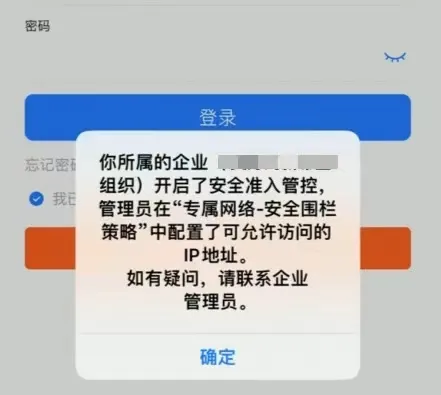
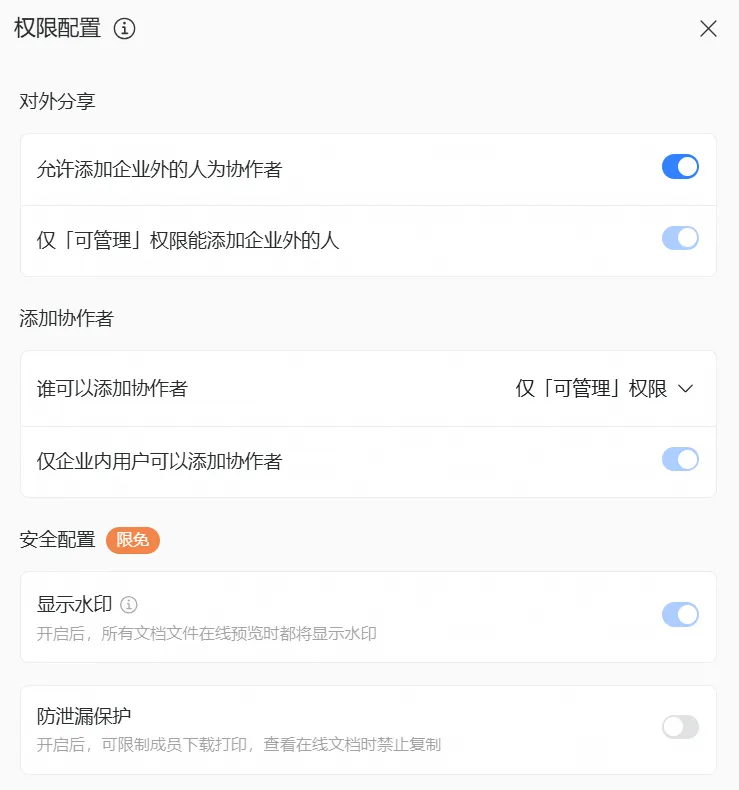
After using DingTalk for more than a year, Suguan has not experienced any further information leaks. Specifically, leveraging DingTalk's dedicated information security capabilities, Suguan has brought all personal files, online documents, and internal information under unified control—for example, documents become inaccessible once they leave the company, ensuring robust information security.
In 2022, Suguan—a company founded six years earlier—was recognized by the Ministry of Industry and Information Technology as a specialized, refined, distinctive, and innovative "Little Giant." While few people may have heard of Suguan, its products are actually found in many Chinese households.
This year, Suguan has successfully risen to the top, becoming a leading manufacturer of robot vacuum cleaners in China. Its customers include Xiaomi, Haier, Dyson, and others. This year, Suguan produced more than 6 million robot vacuum cleaners, and in the global high-end robot vacuum cleaner market, three out of every ten units come from Suguan.
In just eight years, Suguan has grown to employ more than 600 R&D staff and over 4,000 production workers. The company's cumulative global shipments have exceeded 10 million units, covering 30 countries and regions, firmly establishing itself as a "hidden champion."
However, the company's rapid business growth has also exposed Suguan's "Baumol's disease," particularly the issue of low communication and collaboration efficiency, which has become increasingly prominent.
With customers spread across the globe and an increasingly international team, cross-cultural communication efficiency has become a major challenge for Suguan. In addition, Suguan Group and its subsidiaries operate under separate management structures, with limited information sharing and difficulty in locating personnel across organizations. Collaborating requires juggling multiple tools such as WeChat and phone calls, which not only compromises information security but also leads to low collaboration efficiency.
In this regard, DingTalk has provided Suguan with a "game-changing assist."
By using DingTalk's "upstream and downstream organization" feature, the structures of Suguan's two subsidiaries have been directly integrated into the headquarters' organizational directory, making personnel information instantly accessible and eliminating the difficulty of locating individuals across organizations. When group employees need to communicate with subsidiary staff, they can directly create upstream and downstream DingTalk groups or initiate DingTalk meetings. The process is not only simple and efficient but also includes features such as watermarked chat interfaces, encrypted group files, and automatic exit upon employee departure, making business operations more secure.
"We've also integrated our corporate email with DingTalk. When overseas customers send us emails in English, DingTalk can provide instant translations, making it much easier to respond," says Lin Yi, head of the sales department for Suguan's own brand, 3i.
Furthermore, based on the "cloud-DingTalk integration" architecture, when using DingTalk Docs, all participants in a document can edit it directly, bringing information from different teams together in one place. Whether it's scheduling product R&D or gathering competitive intelligence, the process has become far more convenient and efficient.

A Transformation Ally
In the historical journey of upgrading from "Made in China" to "Created in China," many Chinese contract manufacturers have launched their own brands, stepping out of the shadows and into the spotlight—and Suguan is one of them.
In 2022, Suguan decided to step out of its comfort zone and launch the premium brand 3i. However, after taking this step, the company realized that the mindset used for contract manufacturing was no longer sufficient for building a brand. Shifting from a B2B to a B2C model presented higher challenges for the company's level of digitalization and overall operational efficiency.
In the ODM model, contract manufacturers typically remain behind the scenes and do not need to frequently engage with the public. But launching 3i means that the company must directly face end consumers, build a brand from scratch, establish a presence in offline retail districts and e-commerce platforms, and gradually develop a complete sales system. The complexity of managing "people, capital, materials, and operations" has increased exponentially compared to before.
As the customer base changes, so too must the organizational structure, business mindset, and operational processes. Without timely adjustments to these structures and processes using digital tools, many problems can emerge during the transformation process.
When Lin Yi first took on the role of head of the 3i sales department, he quickly identified several inefficient work processes.
For example, frontline colleagues spent a significant amount of time each day compiling sales data, a process that was both time-consuming and arduous. During e-commerce promotions, Suguan's customer service staff had to manually record and verify certain data, which not only hampered operational efficiency but also made it harder for employees to feel a sense of professional accomplishment.
But after more than a year of using DingTalk, these inefficiencies have largely disappeared. Hidden costs, including internal communication and information synchronization, have been dramatically reduced.
According to Lin Yi, data that previously took an hour to compile can now be exported with a single click in DingTalk, freeing up sales managers to focus more on improving store operations. Employees in different cities can now edit the same spreadsheet in DingTalk, rather than having to call each person individually before consolidating the data.
With DingTalk's help, the data silos within Suguan have gradually been broken down, frontline store operations have improved, individual creativity has been fully respected and unleashed, and the company's transformation journey has become smoother.
In serving countless industries, DingTalk has evolved from a simple office software tool into a productivity enabler in the digital and intelligent era. High-tech companies like Suguan have used DingTalk to address subtle yet specific pain points in their daily operations and business transformation, forging a strong partnership in the process.
Epilogue
In the past, many companies equated digital transformation with building internal IT infrastructure. Lacking funds, technology, and patience, many organizations expressed reluctance to transform, fearing it was too difficult or uncertain. However, with the arrival of the digital and intelligent era, tools like DingTalk have emerged, and an increasing number of technology-driven manufacturing companies are coming to understand the true meaning of digital transformation. Their attitude toward digitalization has shifted from "afraid to invest" and "don't know how to invest" to "willing to invest" and "know how to invest."
According to Accenture's "China Digital Transformation Index" report released this year, 59% of Chinese companies plan to increase their investment in digitalization—an increase of 6 percentage points compared to 2023.
If the industrial economy relied on oil as a key production input, then data has become the most important asset of the digital age. Fully unlocking this digital goldmine requires not only corporate resolve and patience but also technological support like DingTalk—and that's why an increasing number of science and technology innovation enterprises are partnering with DingTalk.
Looking ahead, digital tools represented by DingTalk will not only help more and more emerging science and technology forces overcome "growing pains" and alleviate "Baumol's disease," but will also accompany these companies as they push China's technological innovation forward to the next stage.
DomTech is DingTalk's official designated service provider in Macau, specializing in providing DingTalk services to a wide range of customers. If you'd like to learn more about DingTalk platform applications, you can contact our online customer service directly, or reach us by phone at +852 95970612 or by email at [email protected]. With a strong development and operations team and extensive market service experience, we're ready to provide you with professional DingTalk solutions and services!