




 Português
 English
DingTalk has launched an AI customer service assistant. Currently, DingTalk is offering the AI customer service assistant as a standard product and making it available to enterprises for free. Enterprises can use it directly across various customer-facing channels, such as their official websites, WeChat public accounts, and internal service groups. It can also be connected with other tools like DingTalk's AI ticket assistant and multi-dimensional tables to facilitate internal information flow.
Here are a few examples of how DingTalk's AI customer service assistant is being used—take a look to get a feel for its capabilities:
1. Awinic
https://www.awinic.com/
2. Liye Cloud
https://www.liyeyun.com/
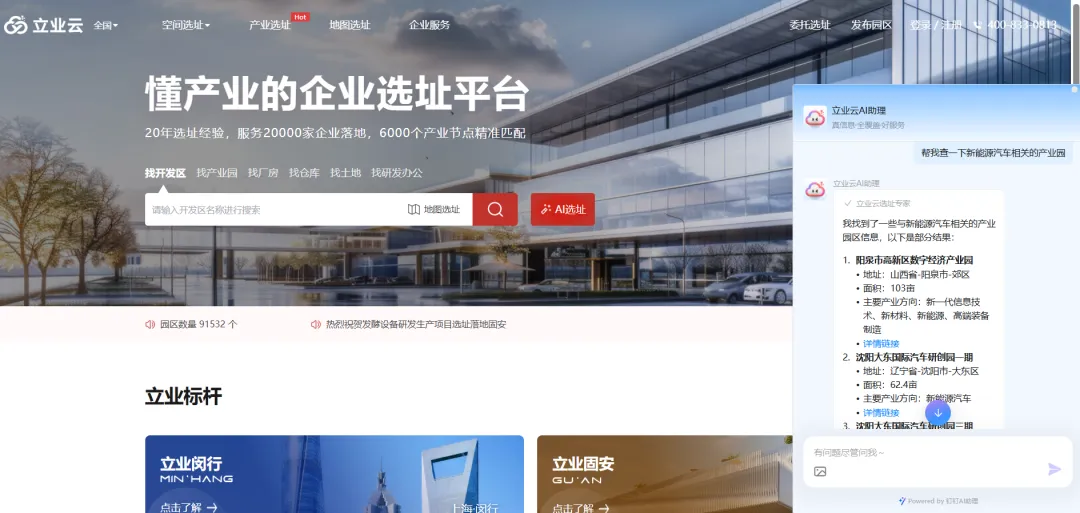
3. Redlin: Xiao Ruibao—Your Personal AI Skincare Advisor
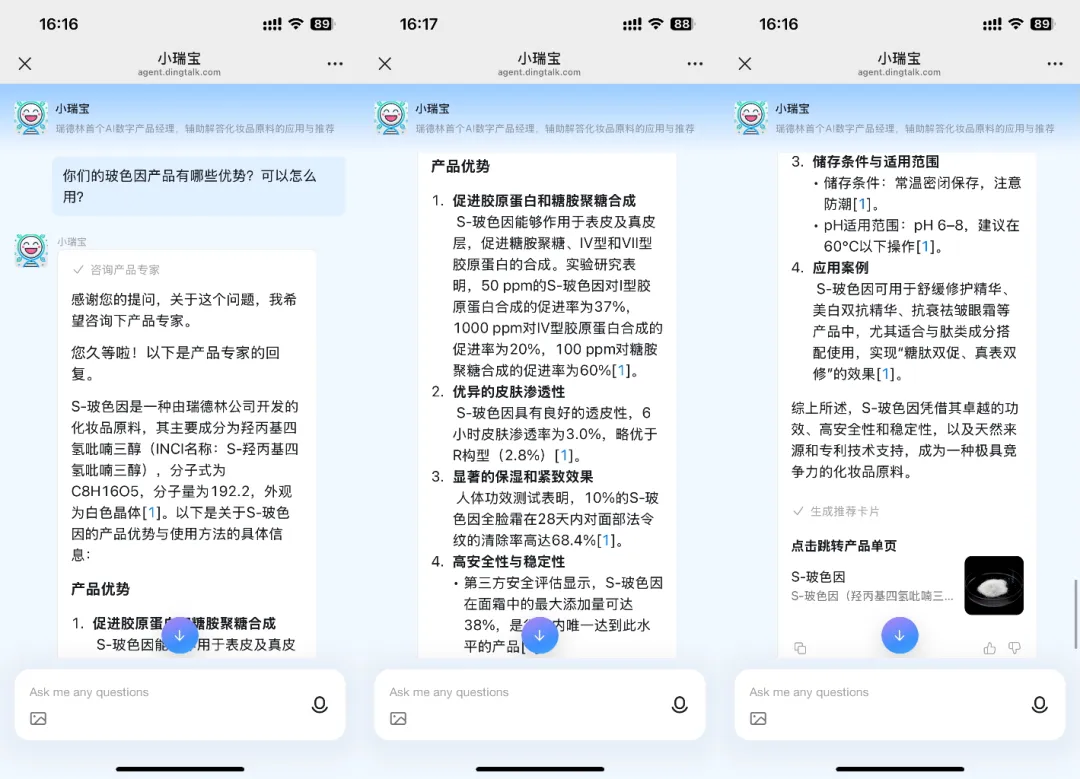
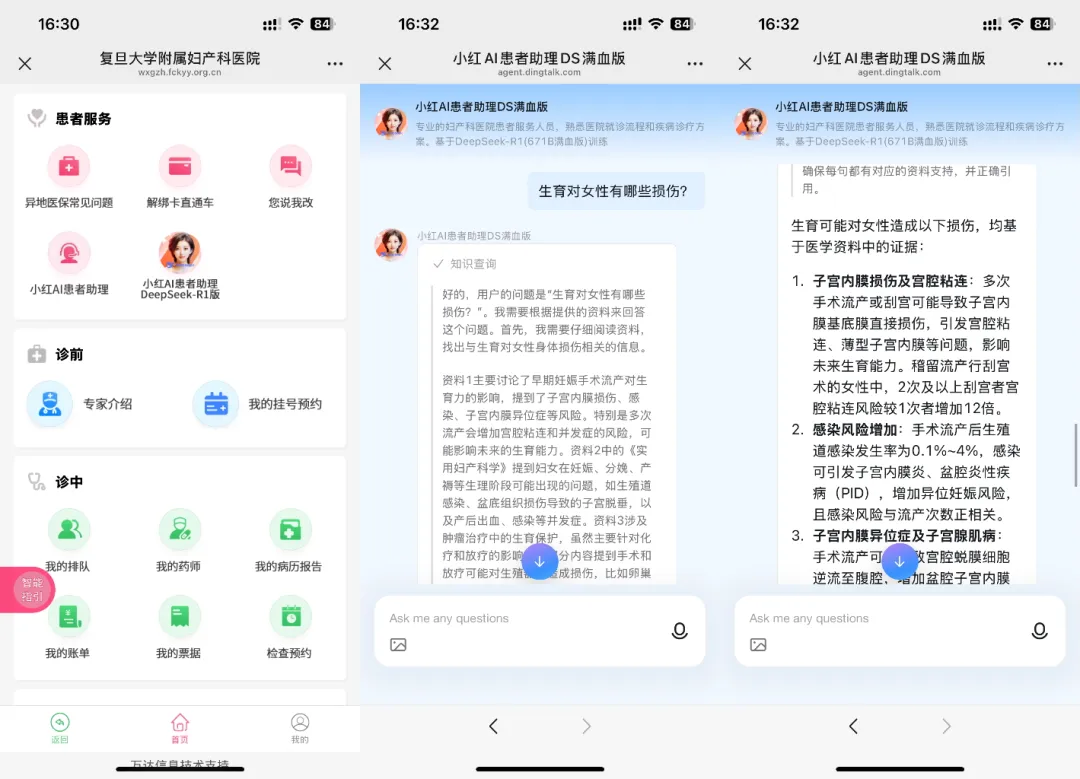
4. Obstetrics and Gynecology Hospital of Fudan University
Setting up an AI customer service assistant for your own enterprise is simple—just three steps are required.
1. Create an AI customer service assistant and define its role and choose a base model: Go to the DingTalk AI Assistant creation page, select "Create from scratch" or "AI creation," then configure the assistant's basic information, including the model, role, and opening remarks.
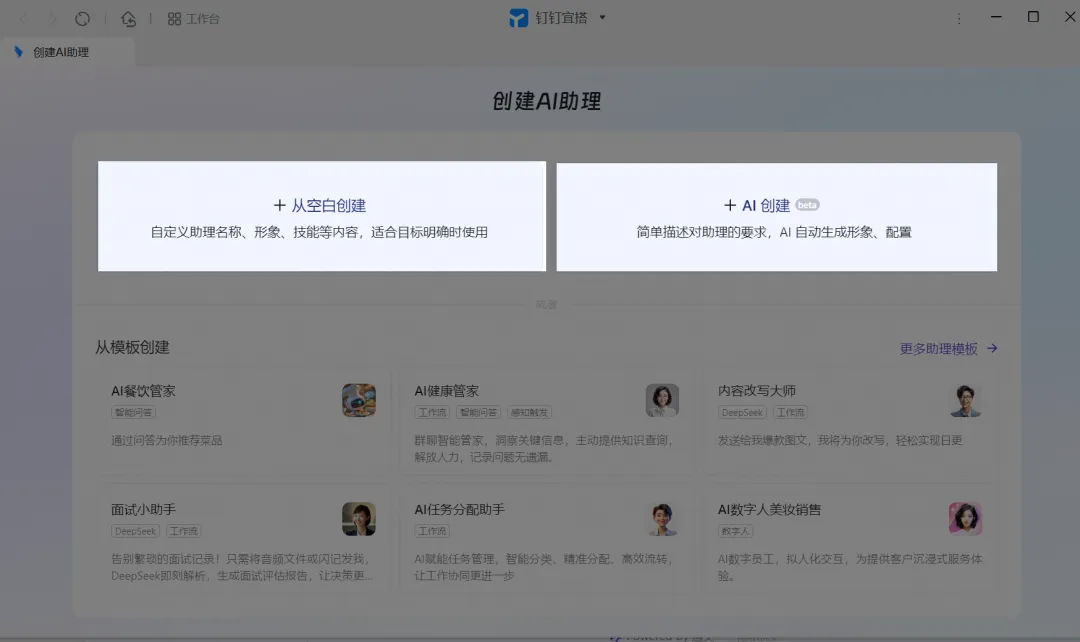
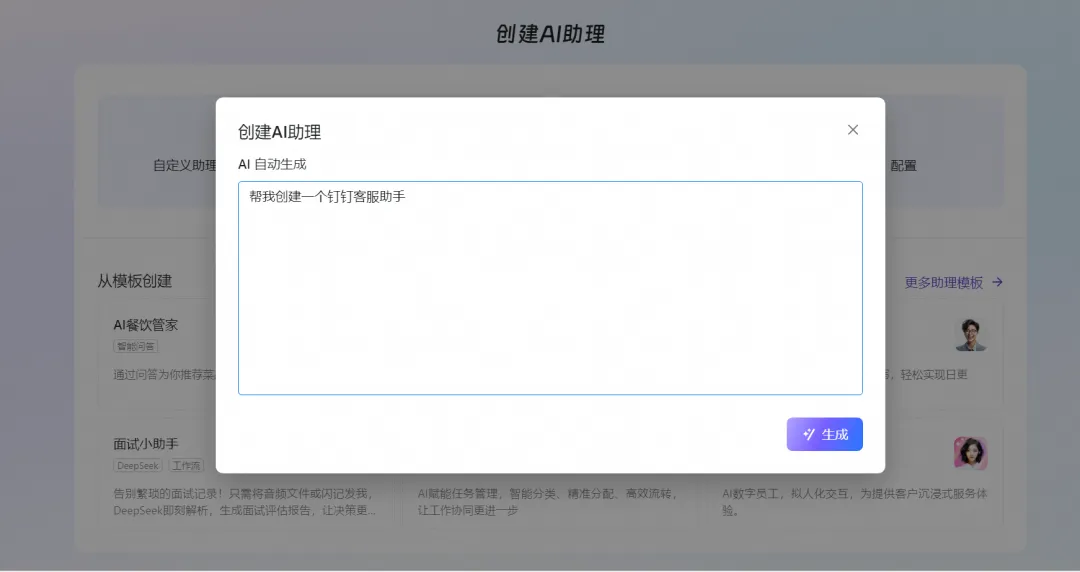
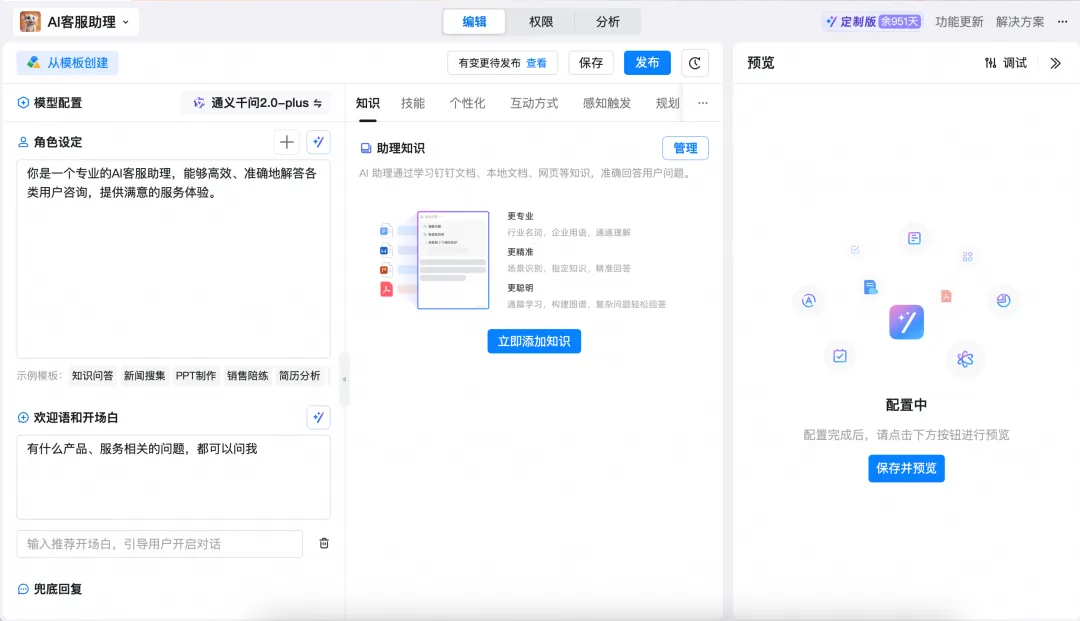
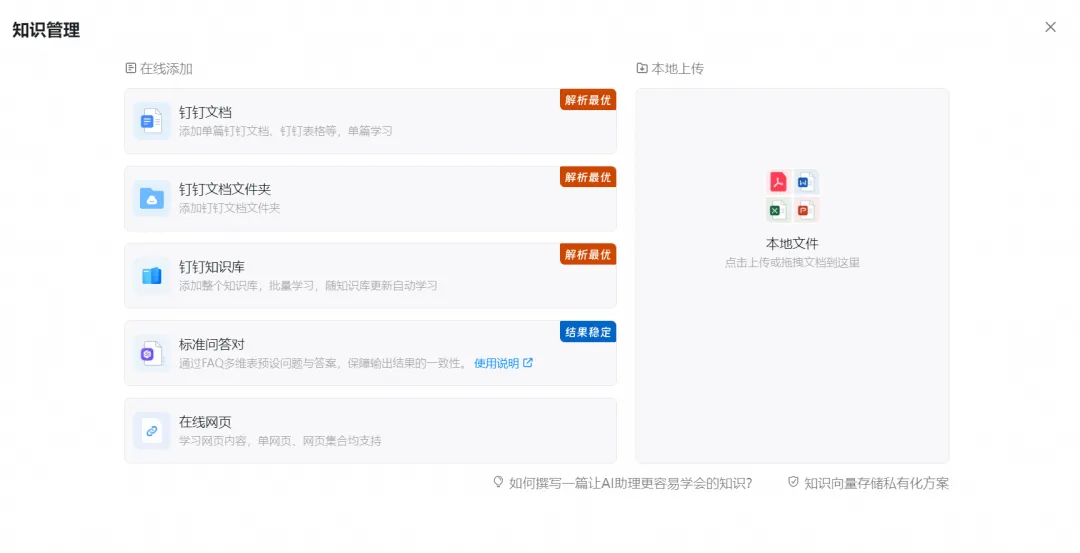
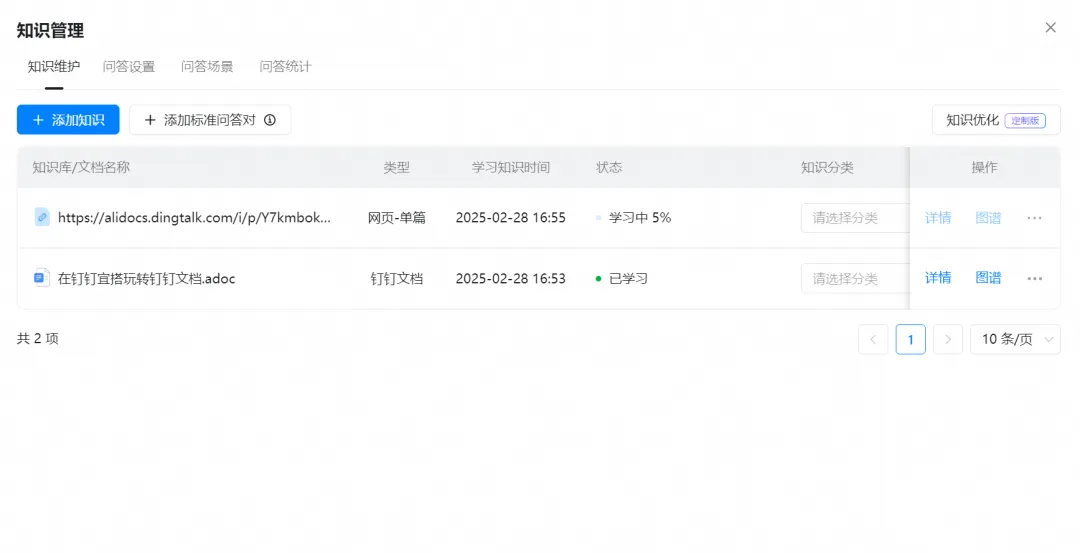
2. Configure the AI customer service assistant's capabilities and train it on your enterprise's knowledge: A model with only general knowledge isn't enough to enable the AI assistant to answer specific business questions in real-world scenarios. To address this, you can add knowledge to the assistant in the Knowledge module. After clicking "Add Knowledge Now," you can upload DingTalk documents, DingTalk folders, DingTalk multi-dimensional table Q&A pairs, online web pages, or local files. In the Knowledge Management section, you can also track the AI assistant's progress in learning the provided knowledge.
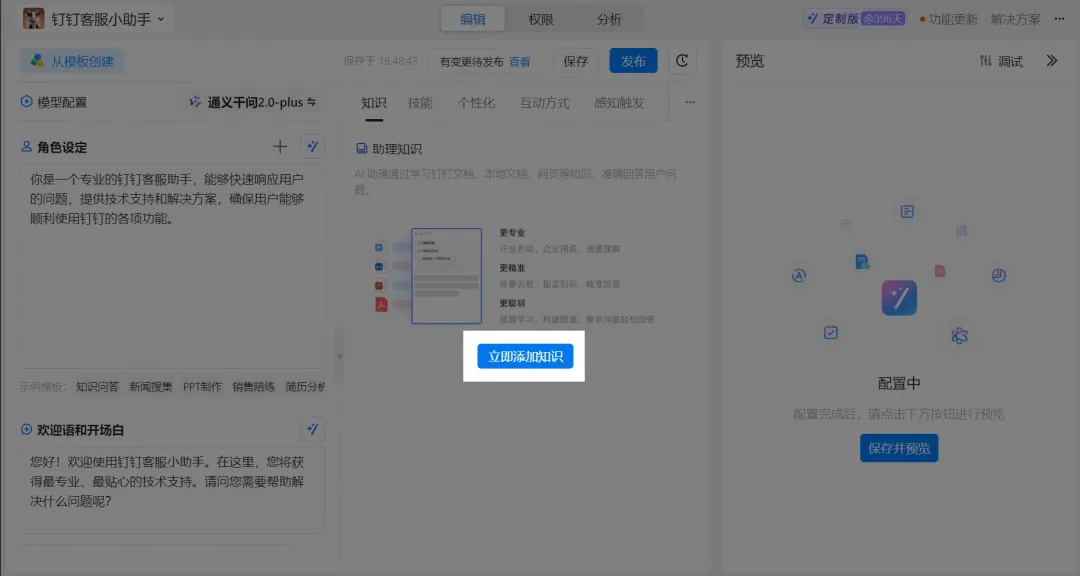
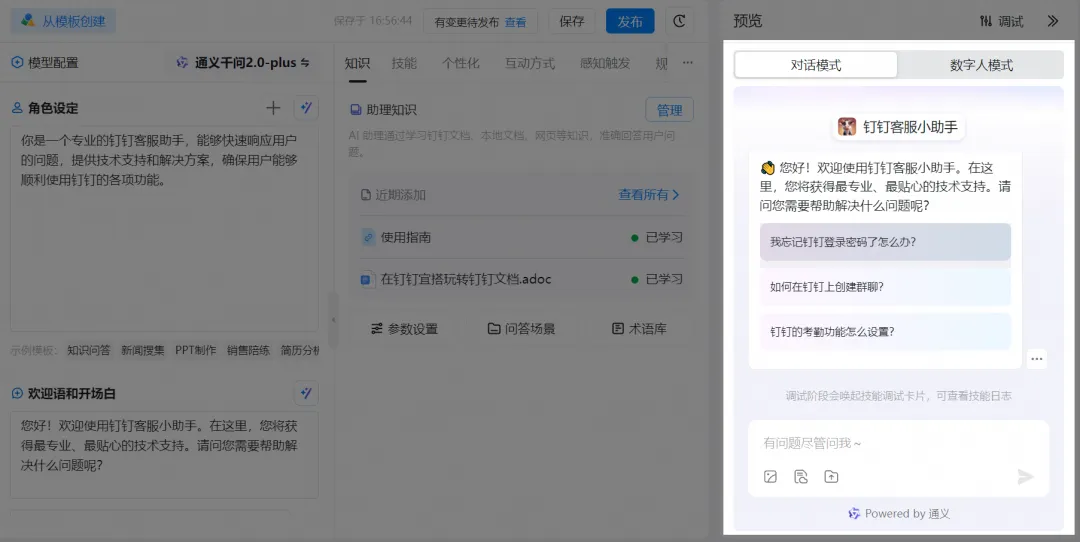
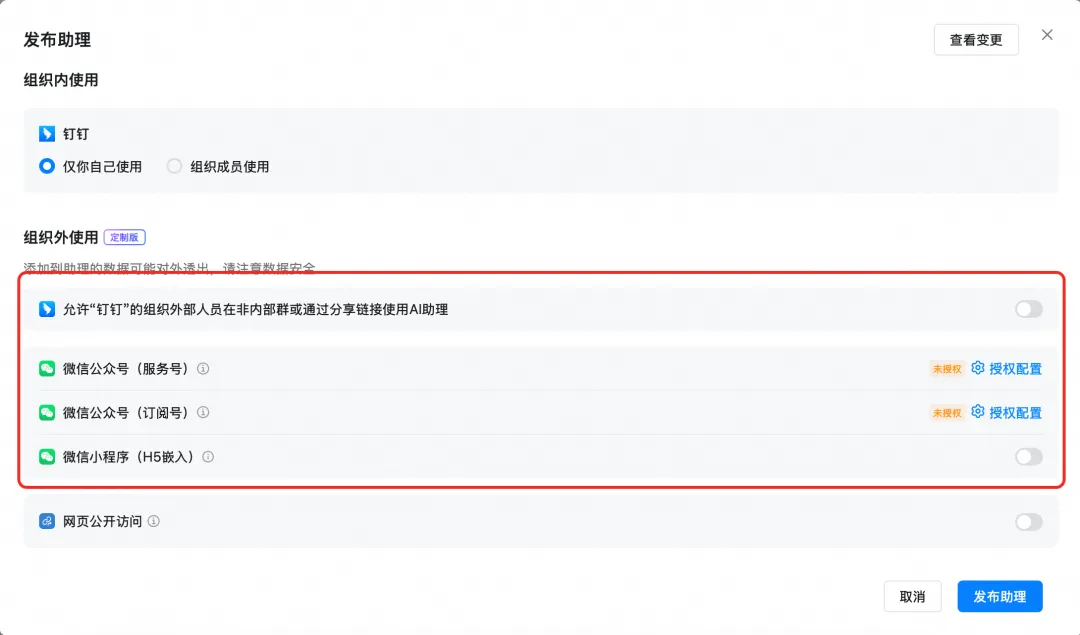
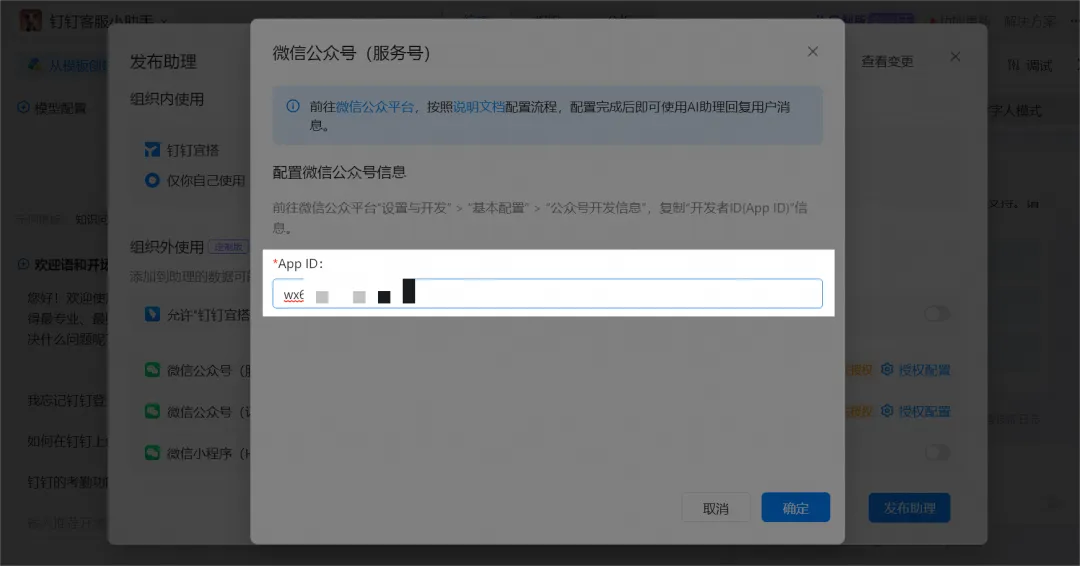
3. Preview the results and deploy externally: On the right-hand side of the AI assistant creation page, you can preview how the AI customer service will interact in a conversation, then deploy it for external use. Since customer service inquiries don't happen exclusively within DingTalk, the AI assistant needs to be embedded into WeChat public accounts, mini-programs, or websites. Take a public account as an example: After obtaining the developer ID from the WeChat public platform, go to the AI assistant's deployment page, authorize its use outside the organization, fill in the developer ID, and confirm. Next, return to the public account platform to scan a QR code and confirm authorization. Finally, go back to the AI assistant's deployment page to verify that authorization has been granted—and you're all set to launch.
Why DingTalk Can Make This Happen?
DingTalk's AI customer service assistant enables every enterprise to quickly create a customer service AI agent that understands both the business and the products. So why DingTalk?
Beyond DingTalk's long-standing role as a pioneer in bringing AI applications to the B2B market in China and its early commitment to enterprise-level AI agents, there are several key reasons:
1. One-click activation of dormant business knowledge: Enterprises using DingTalk have long generated and accumulated vast amounts of business knowledge on the platform, such as standardized service processes and product manuals. This previously scattered knowledge can be directly converted into training material for the AI assistant, eliminating the need to dig through piles of documents or build a knowledge system from scratch.
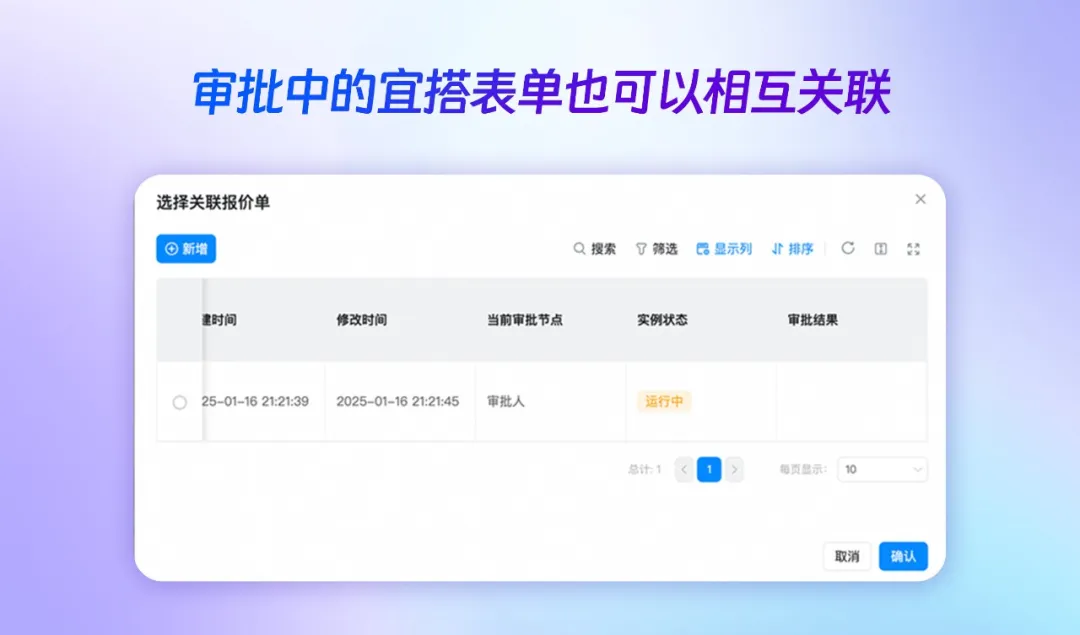
2. A one-stop agent platform with zero barriers: Building large-scale models from scratch is challenging for most enterprises, but DingTalk has already established the necessary infrastructure. You can create, train, test, and deploy an AI customer service assistant entirely within DingTalk, making the process much more accessible and convenient. In addition to training on proprietary knowledge, the AI customer service assistant can also integrate with workflow capabilities—for example, proactively recommending product cards or summarizing Q&A information into multi-dimensional tables.
3. Seamless integration across multiple customer-facing platforms, including WeChat: DingTalk's AI assistant is currently available for free, and the AI assistant you create can be deployed across multiple platforms, including enterprise websites, mini-programs, and WeChat public accounts, seamlessly fitting into existing customer service workflows. It's rare to see a WeChat public account penetrated by DingTalk—but here it is.
As of 2025, the industry is witnessing increasingly intelligent slow-thinking reasoning models, with post-training enhancing both expertise and generalization. AI agents are evolving toward greater automation and intelligence. For enterprise-level AI customer service, which operates in a highly specialized and rigorous environment, maintaining accuracy and stability remains a top priority. This requires continuous advancements in model intelligence and ongoing improvements in engineering capabilities—aligning perfectly with the current trajectory of AI development.
Whether it's about reducing costs and boosting efficiency or enhancing the user experience, in future business practices, AI customer service assistants will serve not just as Q&A machines but also as key components driving business growth. The days of playing keyword tag games with unintelligent customer service representatives are over.
Looking ahead, we predict that AI-powered customer service agents will become the industry standard.
DomTech is DingTalk's officially designated service provider in Macau, dedicated to providing DingTalk services to a wide range of customers. If you'd like to learn more about using the DingTalk platform, feel free to contact our online customer service or reach us by phone at +852 95970612 or by email at [email protected]. With a strong team of developers and operations experts and extensive market experience, we can provide you with professional DingTalk solutions and services!