




 Português
 English
"Yida provides enterprises with a flexible and efficient low-code platform, accelerating their journey toward intelligent operations. It enables rapid development of business applications without requiring complex technical expertise, allowing business teams to get up and running quickly. With powerful automation features and robust data integration capabilities, Yida empowers enterprises to gain a stronger competitive edge in digital transformation."
Founded in 1992, Tieqi Lishi has evolved over 32 years from a single feed-processing company into a modern agri-food enterprise integrating feed, animal husbandry, food, and bioengineering. The company operates more than 150 branches and subsidiaries nationwide and is a national key leading enterprise in agricultural industrialization. It has received numerous honors, including the "National Model Collective for Ethnic Unity and Progress," the "National Advanced Collective in Poverty Alleviation," the "Top 100 Enterprises in China's Agricultural Product Processing Industry," and the "State-Recognized Enterprise Technology Center."
In 2020, Tieqi Lishi launched the 533 Digitalization Project to drive the company's intelligent and digital transformation. By integrating social capital and industry resources, the company leverages its own digital transformation and business expertise to build a digital ecosystem that fosters collaboration with upstream and downstream partners. This effort aims to create a fully digitalized industrial chain centered on swine, laying hens, and food products.
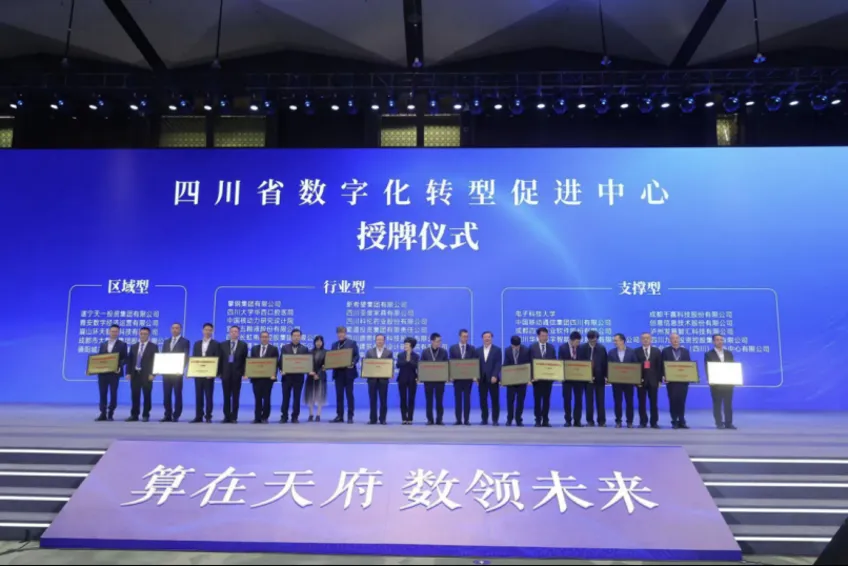
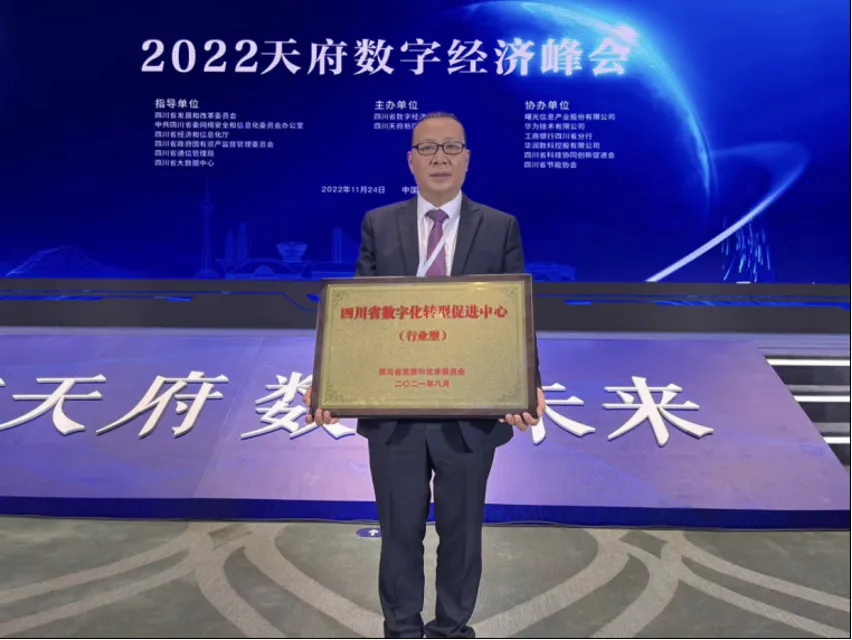
After being approved as the Sichuan Provincial Industry-Specific Digital Transformation Promotion Center in 2021, Tieqi Lishi implemented the "Intelligent Chain" public service platform project for the agri-food industry. The company is committed to becoming a fully connected, collaborative enterprise, achieving comprehensive internal coordination across all business units and establishing seamless connections with external ecosystem partners.
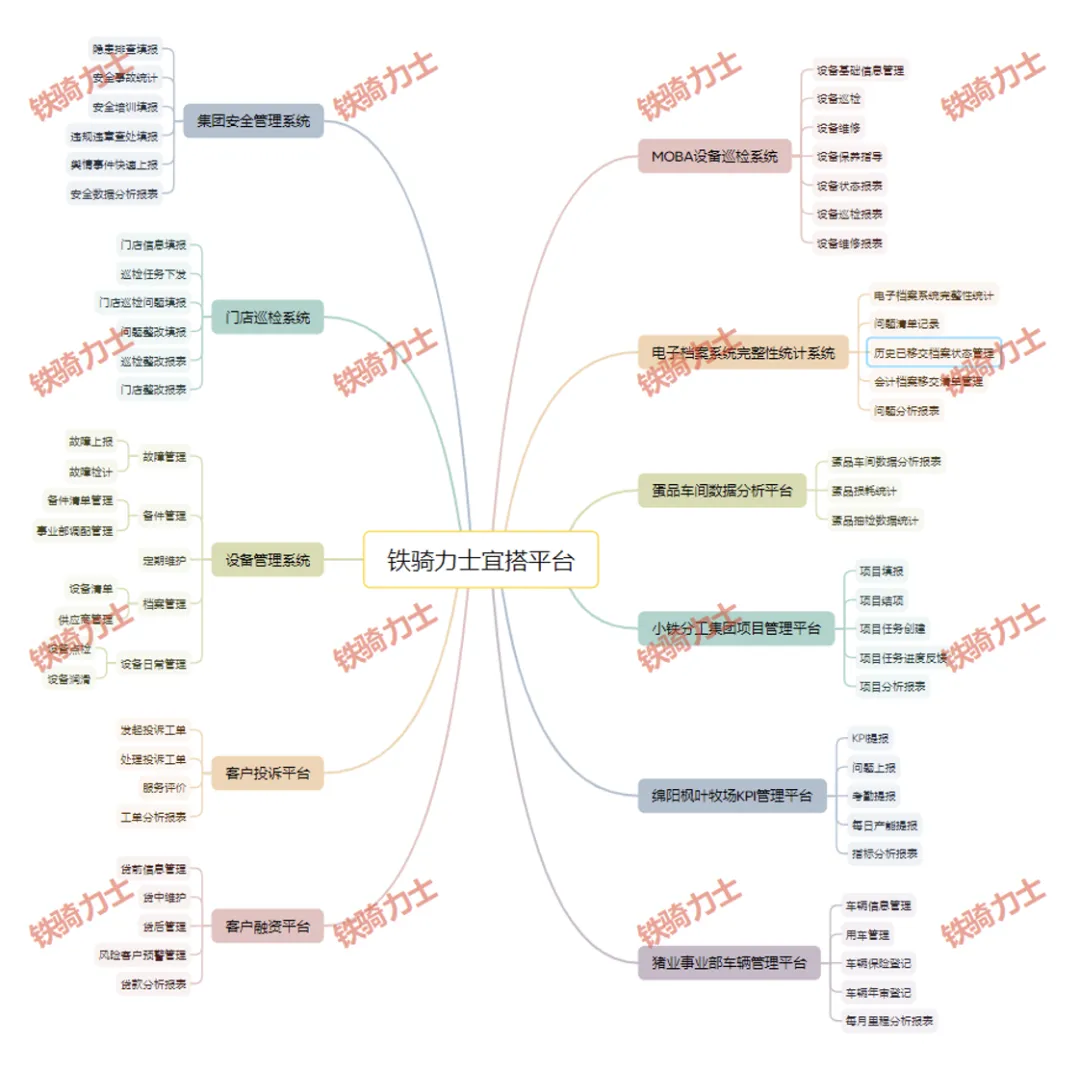
Tieqi Lishi has long maintained a cooperative relationship with Alibaba, including DingTalk and Alibaba Cloud. During a chance encounter, the company learned about Yida, a low-code platform. Yida not only provided a detailed introduction to its features and future vision but also invited Tieqi Lishi to visit the FAW-Volkswagen site in Chengdu to observe Yida's practical implementation. This visit revealed Yida's tremendous potential for use within Tieqi Lishi. With the support, training, and on-site guidance of DingTalk Yida's technical team and the company's internal low-code lead, combined with strong promotion by Xiong Feng, Director of the Tieqi Lishi Digitalization Center, Yida has been deeply integrated into the Tieqi Lishi Group. To date, dozens of applications have been built, bridging the "last mile" of the company's digital transformation and injecting new vitality into Tieqi Lishi.
Through a "learning-by-doing" approach, Yida ensures that business needs are met while simultaneously enhancing the development skills of business users. In the later stages, business personnel can independently develop additional applications, with IT colleagues providing guidance for more complex issues. The time and cost invested in Yida training, application development, and maintenance are far lower than those required by traditional development methods. As of now, 184 employees within the company have acquired basic application development skills.
Building a Safety Management System Platform: Digitizing Safety Operations
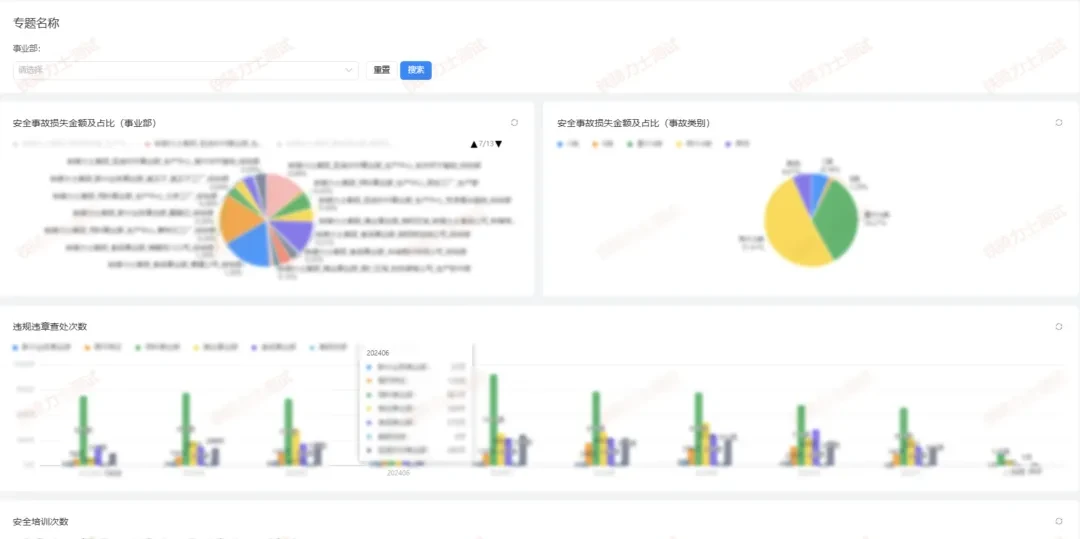
The safety management platform enables the entire group to conduct hazard inspections, track safety incidents, manage safety training, address violations and infractions, report public opinion events, and analyze safety data through a centralized dashboard. This system establishes a closed-loop management framework for addressing safety issues across the entire Tieqi Lishi group.
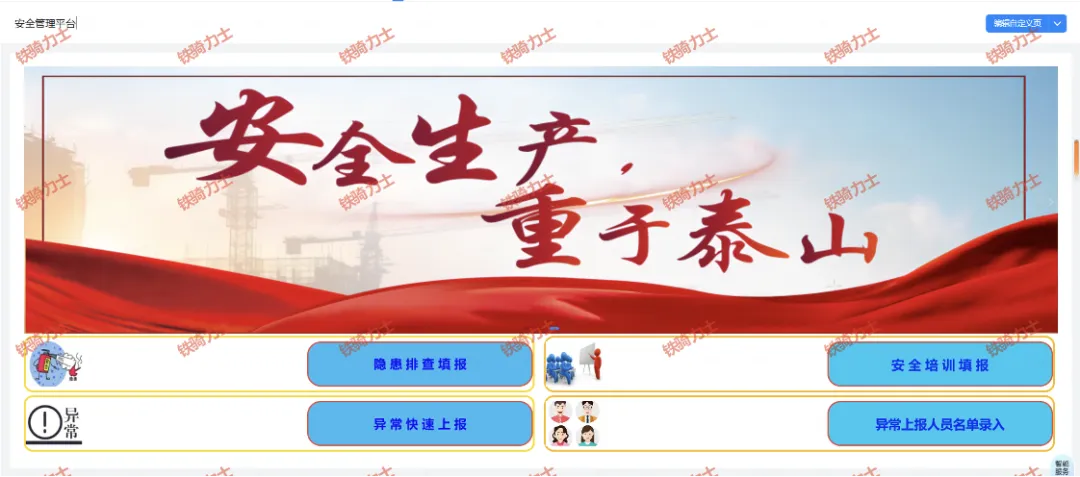
● Online Input of Safety-Related Information
Once the system is set up, daily data on hazard inspections, safety training, violations, and safety incidents are entered online. Yida workflows are used to route issues to relevant business leaders based on type or severity, eliminating the need for manual data recording, spreadsheet compilation, and distribution—tasks that previously consumed significant time and lacked standardized formats. When inspections reveal inaccuracies in data formats or incomplete corrective actions in certain departments, the responsible leaders are immediately notified. Additionally, the system addresses the challenge of tracking the frequency of violations and infractions, enabling alignment with each business unit's safety responsibility targets.
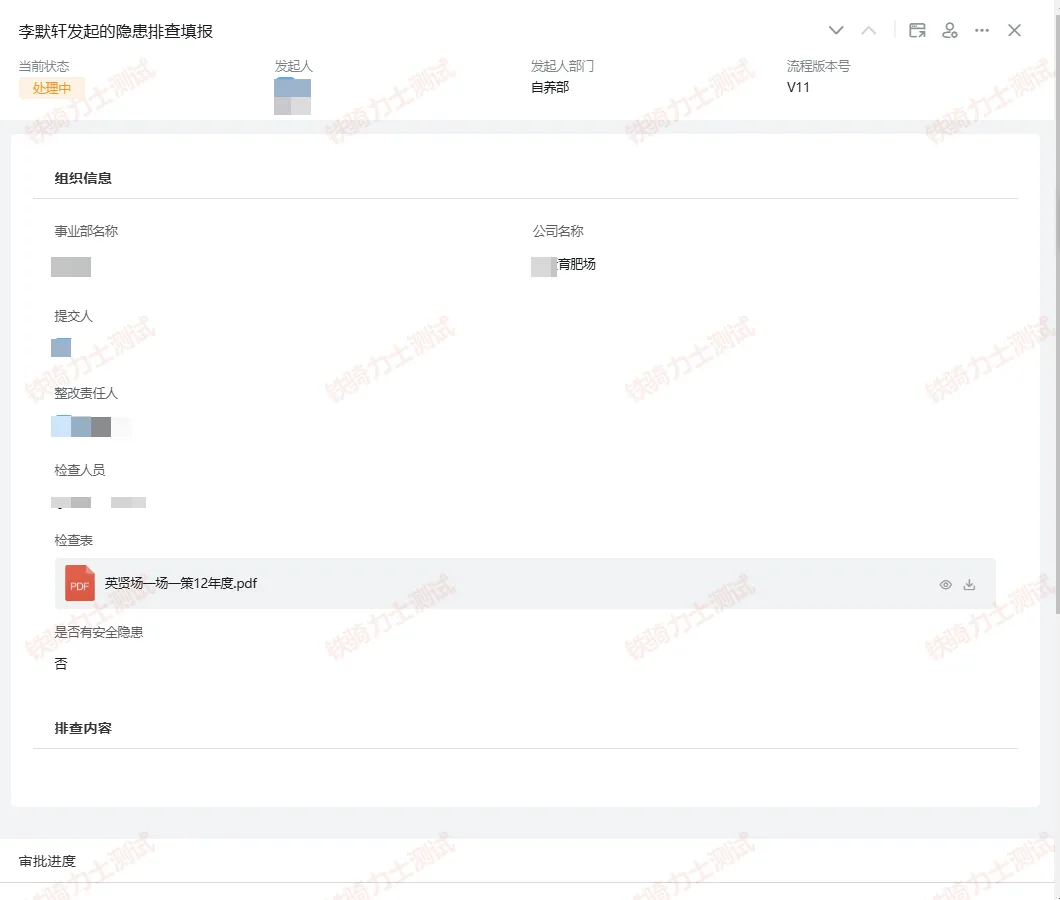
● Closed-Loop Business Process Management
After data is entered into the system, hazard inspection findings, corrective action outcomes, and safety training data are all interconnected, ensuring the completeness of business process data. The system supports a six-step closed-loop workflow, and automated alerts integrated into Yida notify staff of unresolved issues, creating a seamless flow from identifying safety problems to implementing corrective actions and conducting follow-up training. Leveraging Yida's reporting capabilities, a safety data analytics dashboard has been developed. Abnormal data is periodically pushed to department leaders via Yida cards, enabling systematic safety management, proactive business oversight, and data-driven decision-making through dashboard reports—significantly reducing the occurrence of safety incidents.
Establishing an Equipment Alert Mechanism: Reducing Response Time for Equipment Failures
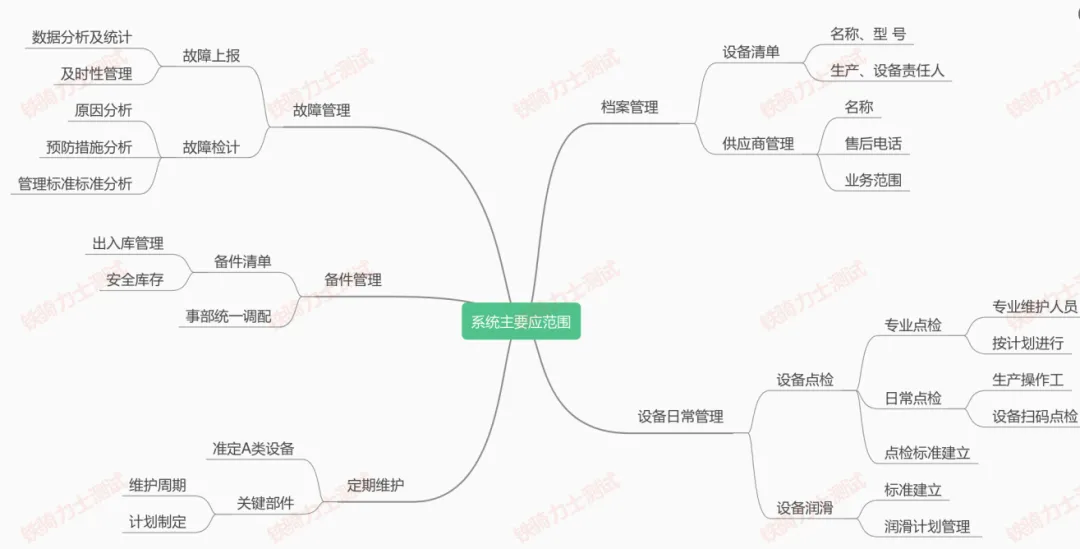
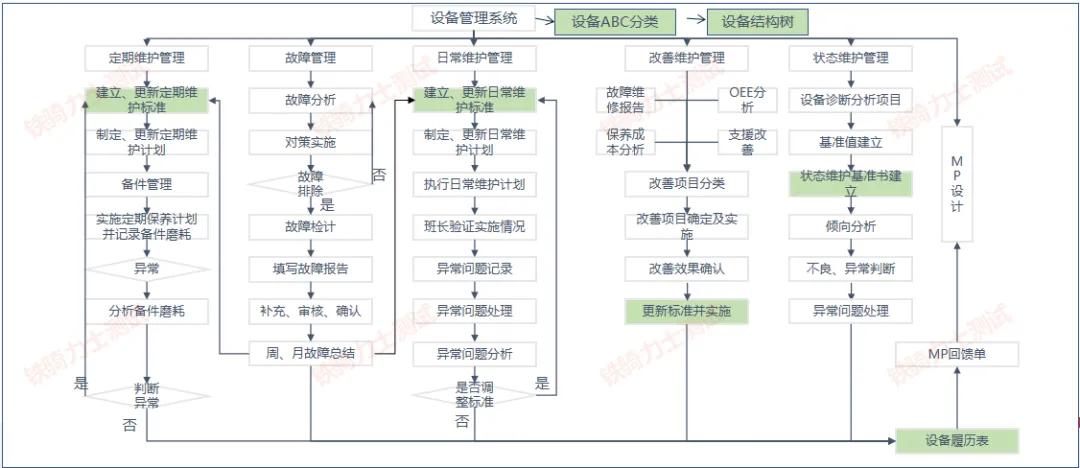
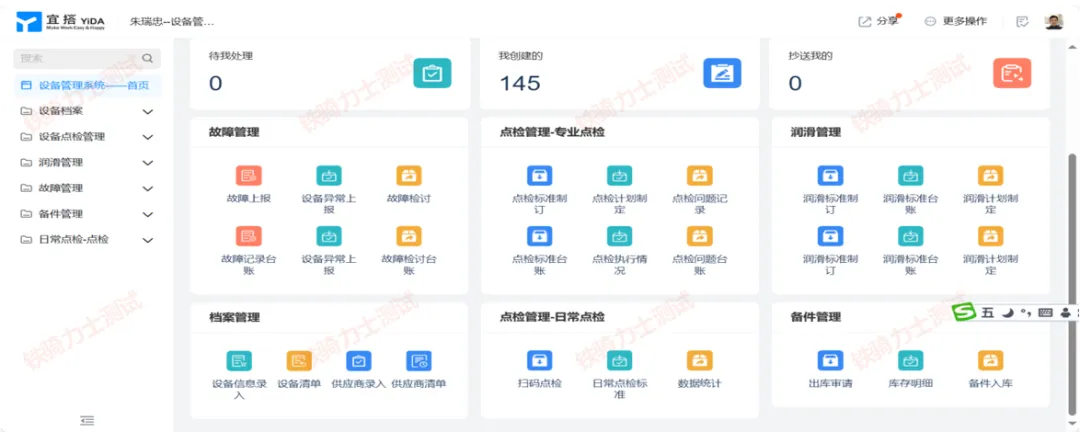
The equipment management platform centralizes equipment information and establishes maintenance schedules and alert mechanisms. In the month since the platform went live, 158 professional inspections have been conducted, uncovering three issues with CCP metal inspection equipment, which were promptly addressed. Through the equipment failure reporting feature, 13 failures have been identified and resolved in a timely manner, significantly reducing downtime. Centralized spare parts management allows factories to share inventory, reducing stock levels by 30%. Additionally, 55 inspection standards have been established, covering all existing Class A and Class B equipment.
In 2024, Tieqi Lishi launched the "New Tools, New Vitality" initiative, aimed at driving business transformation through the use of new digital tools across business units. The initiative seeks to enhance employee creativity and foster a culture of self-motivation and innovation. Currently, more than 20 group-level or business-unit-level applications are in use, significantly reducing the company's digitalization costs. For example, prior to using Yida, a software company had quoted around 250,000 RMB for a store inspection system. Using Yida, the company has now built three store inspection systems, saving approximately 750,000 RMB in development costs. By incubating projects and bringing applications to life, Tieqi Lishi is cultivating business personnel skilled in Yida development. The company has already trained more than ten business developers with intermediate or advanced Yida proficiency. Looking ahead, Tieqi Lishi will continue to expand the "New Tools, New Vitality" program, further deepening the implementation of business applications and bridging the "last mile" of digital transformation.
DomTech is DingTalk's officially designated service provider in Macau, specializing in providing DingTalk services to a wide range of customers. If you'd like to learn more about DingTalk platform applications, feel free to contact our online customer service or reach out by phone at +852 95970612 or by email at [email protected]. Our experienced development and operations team brings extensive market expertise to deliver professional DingTalk solutions and services!